Metastasis
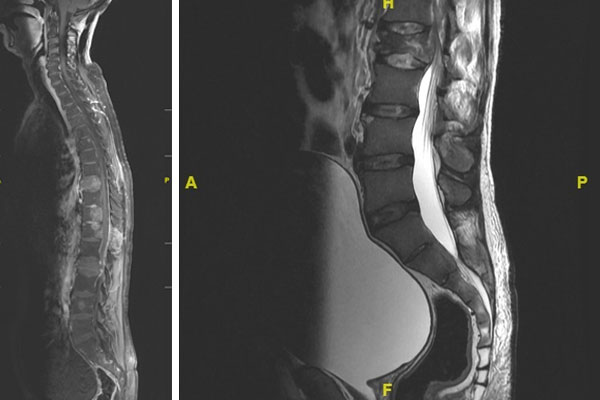
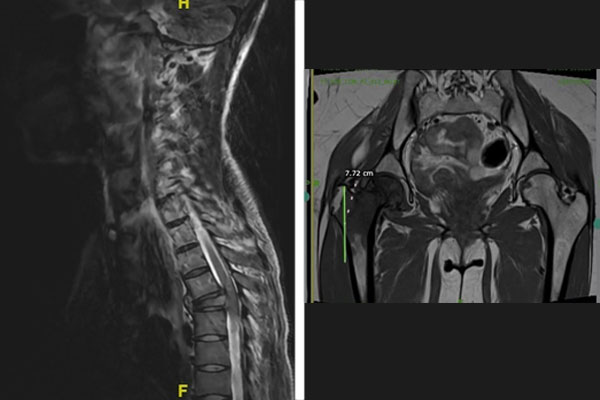
Bone metastasis occurs when cancer cells from another part of the body spread to the bones. It is different from a primary bone cancer and most commonly develops from cancers such as breast, prostate, lung, kidney and thyroid cancer. Bone metastases can affect the strength of the bone and may cause pain, fractures or other complications.
Understanding
Bone Metastasis
- Bone metastasis develops when cancer cells from a primary cancer elsewhere in the body spread to the bone.
- It may involve the spine, pelvis, ribs, long bones or other parts of the skeleton.
- Patients may experience persistent bone pain, swelling, weakness or fractures in bones affected by the disease.
- Early assessment is important to identify bone involvement and reduce the risk of complications.
Diagnosis
Evaluation of Bone Metastasis
- Evaluation includes a detailed clinical assessment and review of the patient's known or suspected primary cancer.
- Imaging such as X-rays, CT scans, MRI and PET-CT may be used depending on the location and extent of disease.
- Blood tests and other investigations may be performed to assess overall health and disease-related complications.
- A biopsy may be advised in selected cases when the diagnosis or origin of the lesion is uncertain.
Treatment
Treatment is individualized according to the primary cancer, extent of bone involvement, symptoms, overall health and stability of the affected bone. Management may include systemic cancer treatment such as chemotherapy, hormone therapy, targeted therapy or immunotherapy, depending on the primary cancer. Radiation therapy may be used for pain relief or local disease control. Surgical treatment may be required for an impending or established fracture, spinal instability, nerve compression or significant structural weakness. Bone-strengthening medicines may also be considered where appropriate.